

Siding remodel is a crucial aspect of home improvement projects, transforming the look and feel of a house. From exploring different materials to understanding the installation process, this guide delves into the intricacies of siding remodel with expert insights and practical tips.
Types of Siding Materials
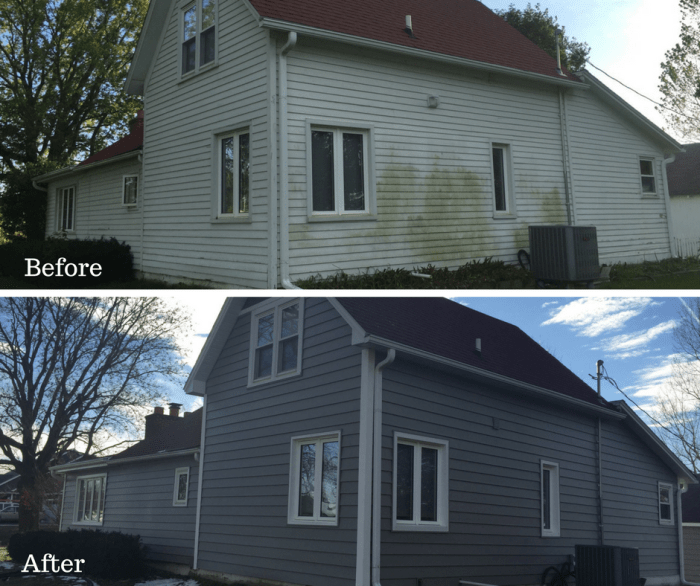
When it comes to siding materials for a remodel project, there are several options available. Each type of siding material has its own set of advantages and disadvantages, impacting both the functionality and aesthetics of a home.
Vinyl Siding
Vinyl siding is a popular choice due to its affordability and low maintenance. It comes in a variety of colors and styles, making it versatile for different home designs. However, vinyl siding may crack or fade over time, and it is not as durable as other materials.
Fiber Cement Siding
Fiber cement siding is known for its durability and resistance to fire, insects, and rot. It can mimic the look of wood or stucco without the maintenance requirements. On the downside, fiber cement siding is heavier and more expensive to install compared to other materials.
Wood Siding
Wood siding provides a natural and timeless look to a home. It can be painted or stained in various colors, offering customization options. However, wood siding requires regular maintenance to prevent rot, pests, and weather damage. It is also more prone to moisture-related issues.
Aluminum Siding
Aluminum siding is lightweight, easy to install, and resistant to fire and pests. It can be painted in different colors and textures. Yet, aluminum siding may dent easily and is prone to fading over time. It is also more expensive than vinyl siding.
Brick Siding
Brick siding offers a classic and elegant appearance to a home. It is durable, low maintenance, and provides excellent insulation. However, brick siding is one of the most expensive options and requires professional installation. It is also heavy, which may impact the foundation of the house.
Stucco Siding
Stucco siding is a durable and energy-efficient material that can be tinted in various colors. It is low maintenance and can last for decades. However, stucco siding is prone to cracking and may require regular repairs. It is also one of the more expensive siding options.
Siding Color and Design
Choosing the right color and design for your siding remodel is crucial in enhancing the overall look of your home. It can significantly impact the curb appeal and create a cohesive and inviting atmosphere. Here are some tips to help you make the best decision:
Coordinating Siding Colors
When selecting a siding color, consider the existing elements of your home's exterior, such as the roof, trim, and landscape. Choose a color that complements or contrasts nicely with these elements to create a harmonious look. Take into account the architectural style of your home as well to ensure the siding color fits the overall aesthetic.
Enhancing Curb Appeal with Siding Designs
Different siding designs can transform the appearance of your home and boost its curb appeal. For example, vertical siding can add a sense of height and elegance, while horizontal siding can create a modern and sleek look. Consider mixing different siding designs for a unique and eye-catching exterior.
Choosing the Right Color Palette
When deciding on a color palette for your siding, think about the mood and atmosphere you want to create. Lighter colors can make your home appear larger and more inviting, while darker colors can add drama and sophistication. Don't be afraid to experiment with bold colors or subtle shades to find the perfect balance for your home.
Considering Maintenance and Longevity
Keep in mind the maintenance requirements and longevity of different siding colors. Lighter colors may show dirt and require more frequent cleaning, while darker colors can fade over time. Choose a color that not only looks great now but will also stand the test of time with minimal upkeep.
Siding Installation Process
Installing siding during a remodel is a crucial step to enhance the exterior of your home. The process involves careful planning, proper tools, and precise execution to ensure a successful outcome.
Tools and Equipment Required
- Siding Nailer: Used to attach the siding to the exterior of the house.
- Tape Measure: Essential for accurate measurements to ensure a precise fit.
- Level: Helps in keeping the siding straight and aligned during installation.
- Tin Snips: Used to cut the siding to the required size.
- Ladder: Required for reaching higher areas of the house for installation.
Tips for a Smooth Siding Installation Project
- Proper Preparation: Ensure the surface is clean, dry, and free of any debris before starting the installation.
- Follow Manufacturer Instructions: Always refer to the manufacturer's guidelines for the specific type of siding you are installing.
- Start from the Bottom: Begin installing the siding from the bottom and work your way up for a seamless finish.
- Overlap Correctly: Make sure to overlap the siding correctly to prevent water infiltration and ensure durability.
- Check for Level: Use a level frequently to ensure the siding is straight and properly aligned.
Maintenance and Care of Siding
Regular maintenance is crucial to ensure the longevity and appearance of your siding. By following a few simple steps, you can keep your siding in top condition for years to come.
Cleaning and Inspection
- Regularly clean your siding with a mild detergent and water to remove dirt, mold, and mildew.
- Inspect your siding for any signs of damage, such as cracks, holes, or warping, and address them promptly.
- Trim any trees or shrubs near your siding to prevent damage from branches rubbing against it.
Common Issues and Solutions
- If you notice fading or discoloration, consider repainting or re-staining your siding to refresh its appearance.
- To prevent moisture damage, ensure that your siding is properly sealed and caulked along seams and edges.
- If you spot signs of rot or pest infestation, it's essential to replace the affected sections of siding to prevent further damage.
Extending Lifespan
- Apply a protective coating or sealant to your siding every few years to enhance its durability and weather resistance.
- Avoid using harsh chemicals or power washing, as these can damage the finish and integrity of your siding.
- Regularly inspect and maintain your gutters to prevent water from overflowing onto your siding, which can cause water damage.
Final Review
In conclusion, siding remodel is a dynamic process that can elevate the appearance and functionality of any home. By carefully selecting materials, colors, and designs, homeowners can create a stunning exterior that enhances curb appeal and durability. Dive into your siding remodel project with confidence armed with the knowledge from this comprehensive guide.
General Inquiries
What are the best siding materials for a remodel?
Answer: The best siding materials depend on the climate, budget, and desired aesthetics. Common options include vinyl, wood, fiber cement, and metal.
How can I maintain my siding after a remodel?
Answer: Regular cleaning, inspections for damage, and prompt repairs are essential for maintaining siding post-remodel.
Is siding installation a DIY project or should I hire professionals?
Answer: While some may opt for a DIY approach, hiring professionals ensures proper installation and can save time and effort in the long run.

