


Embark on a journey through the Heating and Air Conditioning Service Guide: What Homeowners Should Expect, delving into essential insights that promise to enlighten and empower homeowners in their maintenance endeavors.
Explore the fundamental aspects of heating and air conditioning services, uncovering valuable information that will enhance your understanding of this crucial home maintenance component.
Importance of Regular Maintenance
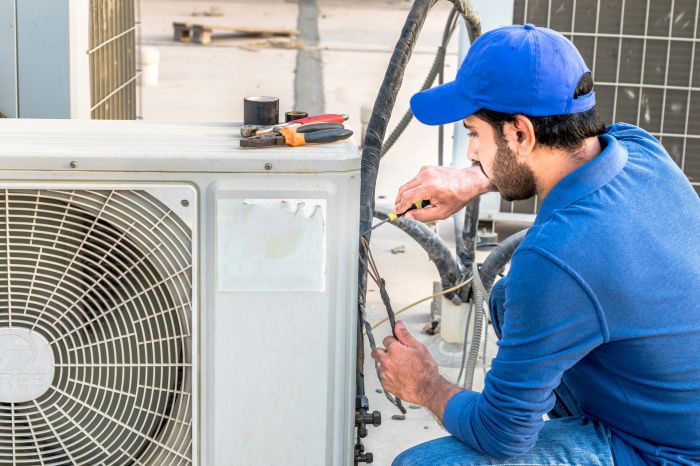
Regular maintenance is essential for the optimal functioning of heating and air conditioning systems in homes. By scheduling routine maintenance checks, homeowners can ensure that their systems operate efficiently, reduce energy consumption, and extend the lifespan of their HVAC equipment.
Preventing Costly Repairs
Regular maintenance can help identify potential issues with the HVAC system before they escalate into costly repairs. By addressing minor problems early on, homeowners can avoid major breakdowns that may require expensive repairs or replacements.
Improving Energy Efficiency
Proper maintenance helps keep heating and air conditioning systems running efficiently, which can lead to lower energy bills. Clean filters, well-lubricated parts, and overall system optimization can contribute to reduced energy consumption and increased savings for homeowners.
Ensuring Indoor Air Quality
Routine maintenance checks can also help improve indoor air quality by ensuring that filters are clean and functioning properly. Clean filters can trap dust, pollen, and other allergens, creating a healthier living environment for homeowners and their families.
Optimizing Performance
Regular servicing can optimize the performance of heating and air conditioning systems, ensuring they operate at their best capacity. Properly maintained systems can provide consistent heating and cooling throughout the home, enhancing comfort levels for homeowners.
Common Services Offered
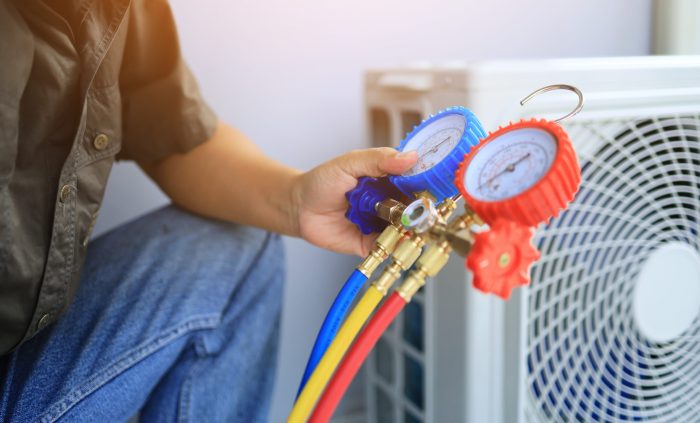
When it comes to heating and air conditioning maintenance packages, homeowners can expect a range of services designed to keep their systems running smoothly and efficiently. These services are essential for ensuring the longevity and performance of HVAC systems in residential properties.
Filter Replacement
- Regularly replacing air filters is crucial to maintaining good indoor air quality and preventing dust and debris build-up in the system.
- Dirty filters can restrict airflow, reduce efficiency, and put unnecessary strain on the system, leading to potential breakdowns.
Thermostat Calibration
- Calibrating the thermostat ensures accurate temperature readings and efficient operation of the heating and cooling cycles.
- An improperly calibrated thermostat can lead to uneven temperatures throughout the home and increased energy consumption.
Duct Inspection and Cleaning
- Inspecting and cleaning ductwork removes dust, mold, and allergens, improving indoor air quality and system efficiency.
- Leaky or dirty ducts can contribute to energy loss and reduced airflow, impacting the overall performance of the HVAC system.
Refrigerant Level Check
- Checking and maintaining proper refrigerant levels is essential for the efficient operation of air conditioning systems.
- Low refrigerant levels can lead to decreased cooling capacity, increased energy consumption, and potential compressor damage.
Overall System Inspection
- A comprehensive inspection of the entire HVAC system helps identify potential issues early and prevent costly repairs down the line.
- Regular maintenance can extend the lifespan of the system, improve energy efficiency, and ensure optimal performance year-round.
Signs That Maintenance is Needed
Regular maintenance of your heating and air conditioning system is crucial to ensure optimal performance and longevity. It's important for homeowners to be aware of the signs that indicate a need for servicing to prevent major issues down the line.
Strange Noises
One of the most common indicators that your HVAC system needs maintenance is unusual sounds such as banging, rattling, or squealing. These noises could be a sign of loose or broken parts that need attention.
Uneven Heating or Cooling
If you notice that some rooms in your home are consistently warmer or cooler than others, it could be a sign of a problem with your HVAC system. Uneven heating or cooling is often caused by issues like clogged filters or ductwork problems.
Increased Energy Bills
An unexplained spike in your energy bills could indicate that your heating or air conditioning system is not operating efficiently. This could be due to a variety of issues, such as dirty filters, low refrigerant levels, or malfunctioning components.
Frequent Cycling
If your HVAC system is turning on and off frequently, known as short cycling, it could be a sign of a larger problem. Short cycling not only puts extra strain on your system but also leads to increased energy consumption and reduced comfort levels in your home.
DIY Maintenance Tips
When it comes to maintaining your heating and air conditioning system, there are some simple tasks that homeowners can perform on their own. Not only can this help extend the life of your system, but it can also save you money on costly repairs down the line.
However, it's important to keep safety precautions in mind when conducting any DIY maintenance on your HVAC system
Changing Air Filters
One of the easiest DIY maintenance tasks for homeowners is changing the air filters regularly. Clogged or dirty air filters can restrict airflow and cause your system to work harder, leading to inefficiency and higher energy bills. Make sure to check your air filters every 1-3 months and replace them as needed.
Cleaning Vents and Ducts
Another simple task you can do on your own is cleaning the vents and ducts in your home. Over time, dust, pet hair, and debris can accumulate in your ductwork, reducing air quality and efficiency. Use a vacuum with a brush attachment to clean the vents and ducts, or consider hiring a professional duct cleaning service for a more thorough job.
Checking Thermostat Settings
Regularly checking and adjusting your thermostat settings can help improve the efficiency of your heating and cooling system. Make sure your thermostat is set to the appropriate temperature for the season and consider investing in a programmable thermostat to save energy when you're away from home.
Finding a Reliable Service Provider
When it comes to choosing a heating and air conditioning service provider, homeowners need to ensure they are selecting a reputable and reliable company. Here are some tips to help you find the right service provider for your HVAC needs.
Importance of Certifications and Licenses
Certifications and licenses are crucial when selecting an HVAC service provider. These credentials indicate that the technicians have undergone proper training and have the necessary knowledge to work on your heating and cooling systems. Always check for certifications and licenses before hiring a service company.
Verifying Credibility and Reliability
To verify the credibility and reliability of a service company, consider checking online reviews and testimonials from previous customers. Look for companies with a good reputation and positive feedback. Additionally, ask for references and contact them to inquire about their experience with the service provider.
Research and Recommendations
Do your research before choosing an HVAC service provider. Ask for recommendations from friends, family, or neighbors who have used similar services in the past. You can also check with organizations like the Better Business Bureau to see if there are any complaints against the company.
Quality of Service and Pricing
When selecting a service provider, consider the quality of service they offer as well as their pricing. Be wary of companies that offer significantly lower prices than their competitors, as this could be a red flag for subpar service. It's essential to strike a balance between quality and affordability when choosing an HVAC service provider.
Cost Considerations
When it comes to heating and air conditioning services, understanding the costs involved is crucial for homeowners. From routine maintenance to unexpected repairs, budgeting for HVAC services can help prevent financial surprises down the road.
Typical Costs Associated with HVAC Services
- Regular Maintenance: The cost of annual maintenance typically ranges from $100 to $200, depending on the type of system and the services included.
- Repair Services: Repairs can vary greatly in cost, from minor fixes costing around $150 to major repairs exceeding $1,000, depending on the extent of the issue.
- Replacement Parts: If any components of your HVAC system need to be replaced, the cost can range from $50 for smaller parts to hundreds of dollars for more significant components.
Factors Influencing Cost of Maintenance or Repairs
- Age and Condition of System: Older systems or systems in poor condition may require more extensive and costly repairs.
- Type of System: The type and brand of HVAC system can impact the cost of maintenance and repairs, with some systems being more expensive to service than others.
- Extent of Damage: The severity of the issue and the amount of work required to fix it will directly affect the cost of repairs.
Tips for Budgeting HVAC Services
- Set Aside Emergency Funds: Create a separate fund specifically for unexpected HVAC repairs to avoid financial strain when issues arise.
- Invest in Maintenance Plans: Consider signing up for a maintenance plan offered by your service provider to spread out the cost of routine maintenance throughout the year.
- Compare Quotes: Get estimates from multiple HVAC service providers to ensure you are getting a fair price for the services you need.
End of Discussion
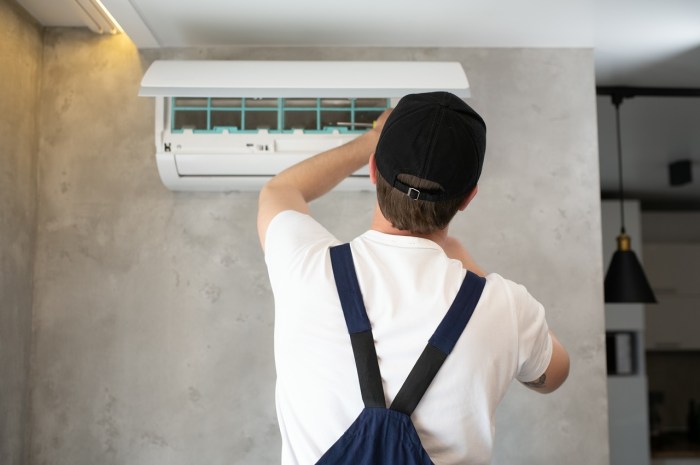
Concluding our exploration of the Heating and Air Conditioning Service Guide: What Homeowners Should Expect, we have unraveled key points and considerations that underline the importance of proactive maintenance and informed decision-making in ensuring optimal system performance.
FAQ Compilation
What are the benefits of scheduling routine maintenance checks?
Regular maintenance checks help prevent potential issues, improve system efficiency, extend the lifespan of your HVAC system, and ensure optimal performance.
How can homeowners find a reliable service provider?
Homeowners can research and choose reputable service providers by checking certifications and licenses, reading reviews, and asking for referrals from trusted sources.
What factors may influence the cost of heating and air conditioning services?
The cost of services can be influenced by the type of maintenance or repairs needed, the size and complexity of the system, and the service provider's pricing structure.